Chapter 02 — Daily Alignment
Ergonomic posture between active hours.
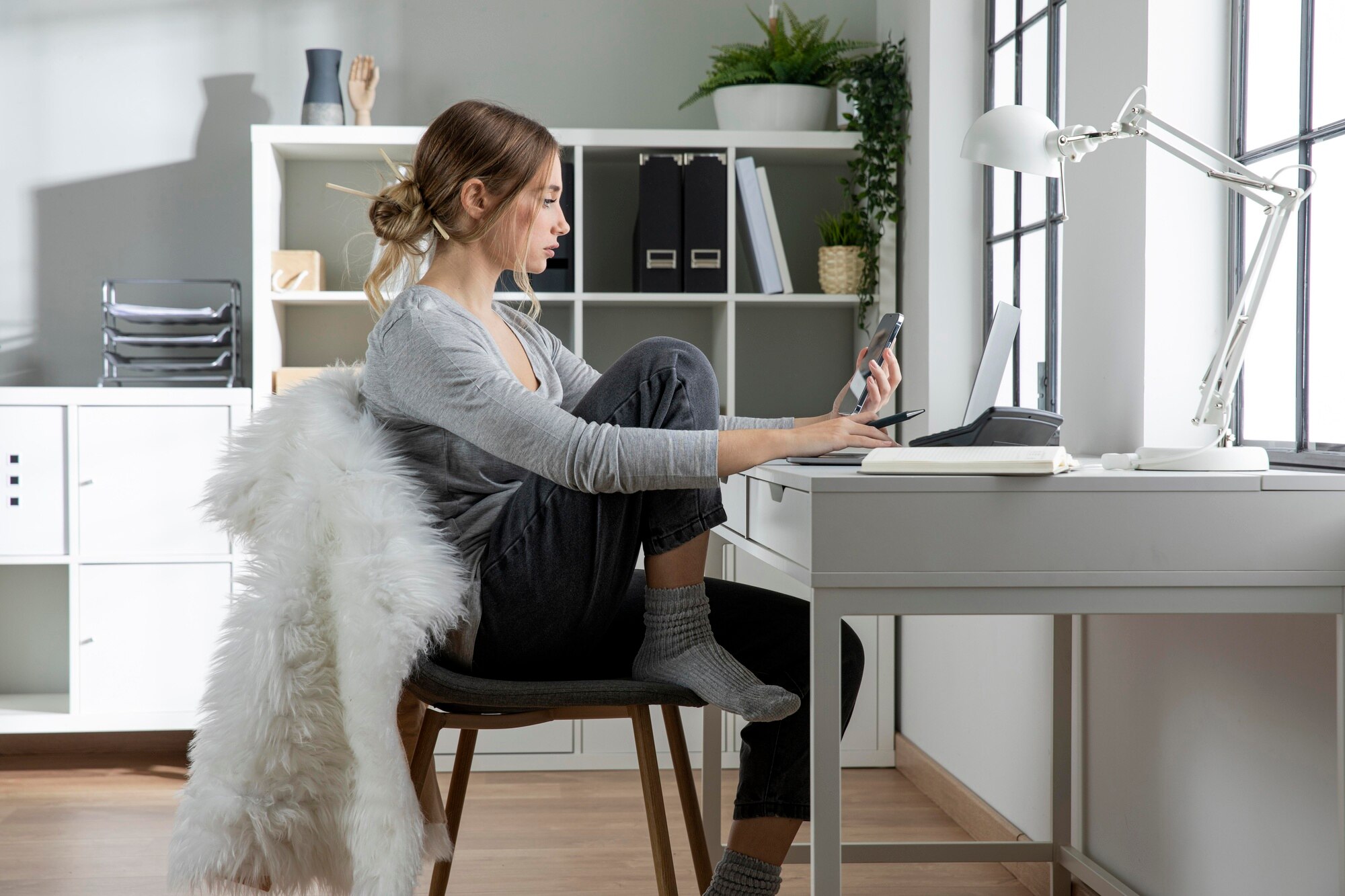
A thirty-minute walk works best when supported by thoughtful posture throughout the remaining hours of the day. Small desk adjustments and frequent standing breaks keep everyday movement natural.
Posture Interval
45 Minutes
Recommended interval for standing up and shifting seated weight during focused desk work.
Screen Alignment
Eye Level
Raising laptops on a simple stand keeps the head balanced comfortably above the shoulders.
Foot Support
Flat & Grounded
Resting both feet evenly on the floor encourages balanced hip alignment while seated.
Work & Commute Reality
Countering the stillness of urban commutes.
Many professionals across Lagos, Abuja, and Port Harcourt spend an hour or more seated in traffic before beginning a full day at a workstation. Over time, staying folded in one seated angle for hours makes the body feel noticeably stiff when standing up.
The most practical response is not rigid perfection, but regular variety. Shifting positions often, adjusting car seat backrests to support an upright posture, and taking a brief stroll immediately upon arriving home help restore an easy, relaxed stance.
Quick Desk Audit
- Keep elbows resting near a natural 90-degree bend while typing.
- Place frequently used notebooks and phones within easy reach to avoid repetitive twisting.
- Use a small lumbar cushion if your office chair lacks lower-back support.
- Keep a glass of water nearby—refilling it every hour builds in a natural walking break.
Micro-Break Sequence
Three two-minute resets for busy afternoons
1. Open-Chest Posture Reset
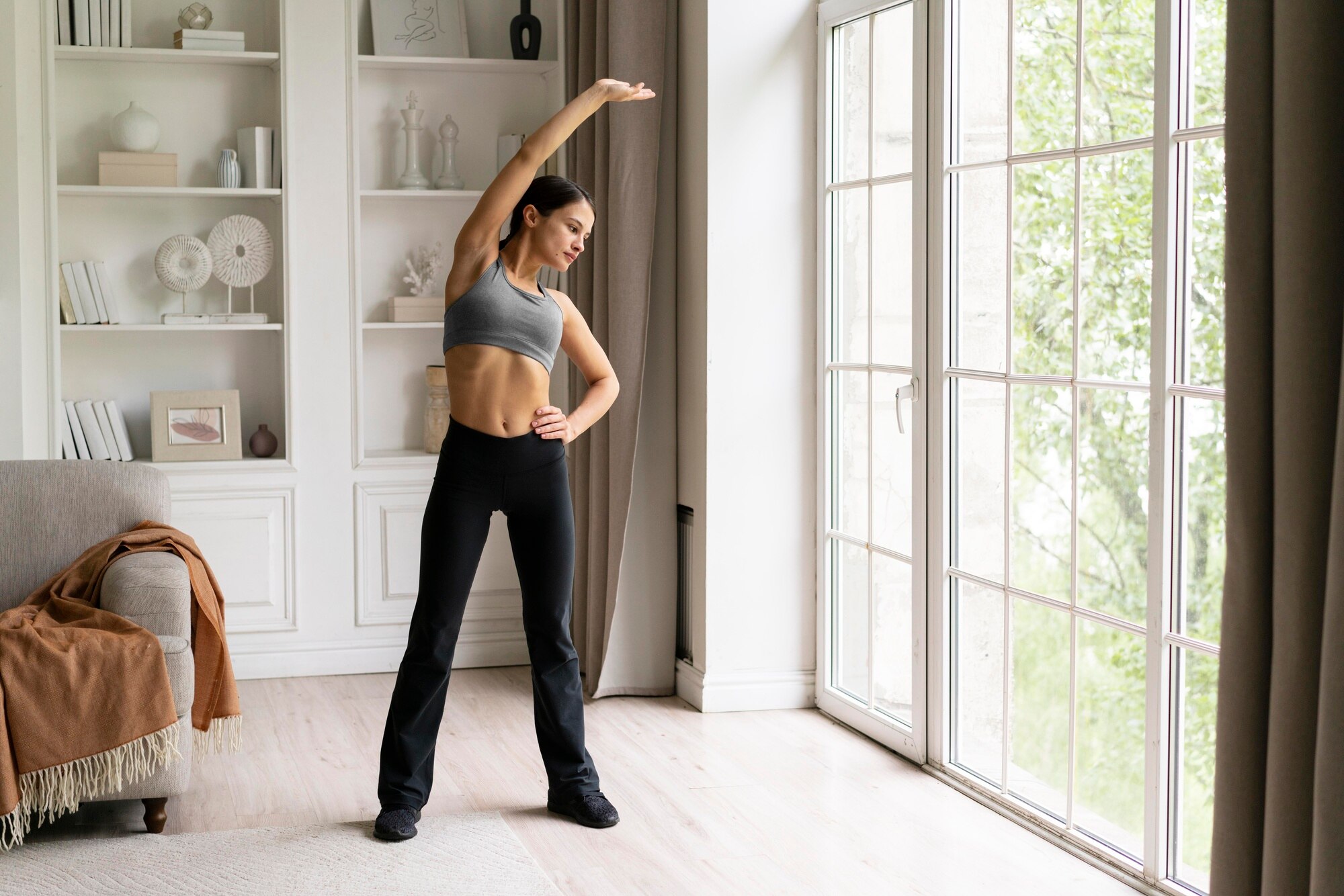
Stand tall, interlace fingers loosely behind your back or rest hands on hips, and gently draw shoulders back for three slow breaths to counter screen slouching.
2. Seated-to-Standing Transitions
Stand up smoothly from your chair without rushing, take ten unhurried steps around the room, and roll your wrists and ankles gently before returning to work.
3. Gentle Horizon Gaze
Step near a window, relax your jaw and neck muscles, and look out toward a distant point for thirty seconds to release upper-shoulder tension.
Balanced Habits
Supportive practices vs. common pitfalls
Supportive Everyday Habits
- Alternating between sitting and standing tasks throughout the workday.
- Carrying work bags evenly or using padded two-strap backpacks during commutes.
- Wearing supportive, well-cushioned footwear on tiled or concrete floors.
- Keeping moderate daily walking consistent across both weekdays and weekends.
Common Routine Pitfalls
- Working for several hours hunched over a laptop placed on a low coffee table.
- Holding a phone wedged between the ear and shoulder during long calls.
- Jumping directly into heavy lifting or rapid running without a gentle warm-up.
- Ignoring early signs of fatigue instead of taking a short rest break.
Practical Q&A
Is a standing desk required for good posture?
No. A standard desk works well as long as your screen sits near eye level and you remember to stand up and move briefly every 45 minutes.
How does footwear influence daily walking comfort?
Shoes with flexible soles and moderate cushioning help absorb everyday impact on hard urban pavements, making regular walks noticeably more pleasant.
What is the simplest first step for a busy schedule?
Start with one ten-minute walk after breakfast or dinner and set a gentle reminder to stand up twice during the afternoon.
Editorial Transparency
Loziyuk shares general informational articles on everyday posture and moderate physical activity. Have a topic suggestion or editorial question for our team?